
Perimenopause and menopause care for your whole body
There's more to menopause than hot flashes. Visana experts consider your full picture of health to build a plan made for you.
Menopause affects your whole body
Changing hormones can affect everything, but sometimes symptoms that feel like menopause have another cause. Our clinicians look at the full picture to help you get to the root cause.


Symptoms and conditions we treat
Complex gynecologic conditions can be hard to diagnose and even harder to navigate. Visana clinicians are trained to catch the patterns and overlaps that get missed in a typical visit.
Tap a symptom group to learn more
Perimenopause or menopause?
Two parts of the same transition: one is a gradual shift, the other is a single point you reach. Here’s how to know where you are.

Perimenopause
Perimenopause typically begins in your 40s, but can start as early as your mid-30s. It’s the transition when hormones fluctuate and symptoms can begin.
Menopause
Menopause is reached once you’ve gone 12 consecutive months without a period. With the right support, this stage can set the tone for a vibrant, healthy, and fulfilling next chapter of life.
Treatment individualized for you
There isn’t one way to treat menopause. Your provider will consider your symptoms, medical history, preferences, and goals to build a plan for you.
*Cost and coverage vary by plan. Your provider helps you understand your options, look for available savings, and find a lower-cost path if needed.

For many women, menopausal hormone therapy is a safe and effective option for symptoms like hot flashes, night sweats, sleep disruption, and vaginal symptoms. Your clinician will review your health history, discuss the benefits and risks, and help you decide whether hormone therapy is right for you.

Depending on your symptoms and health history, your clinician may recommend one of the following prescription treatments for concerns such as hot flashes, night sweats, or mood symptoms:
- Gabapentin (Neurontin), which reduces hot flashes and night sweats.
- SSRIs and SNRIs are antidepressant medications, which can help with mood stabilization and hot flashes.
- Fezolinetant (Veozah) and Lynkuet (elinzanetant) are FDA-approved treatment for hot flashes, though they are expensive and often not covered by insurance.
- Other medications can be added to decrease the frequency and severity of hot flashes and night sweats.

Nutrition, movement, sleep, stress, and mental health can all influence how you feel during this transition. Your care plan may include evidence-based lifestyle recommendations alongside medical treatment.

Not everyone wants to take medication, and some prefer to combine approaches. Acupuncture may help ease hot flashes, menstrual pain, migraines, and stress. Cognitive behavioral therapy (CBT), a short-term form of talk therapy, can help with mood changes, anxiety, and sleep, and reduce how much symptoms like hot flashes disrupt daily life.
Your care, done differently
From your first visit to your ongoing plan, every step is built around you.
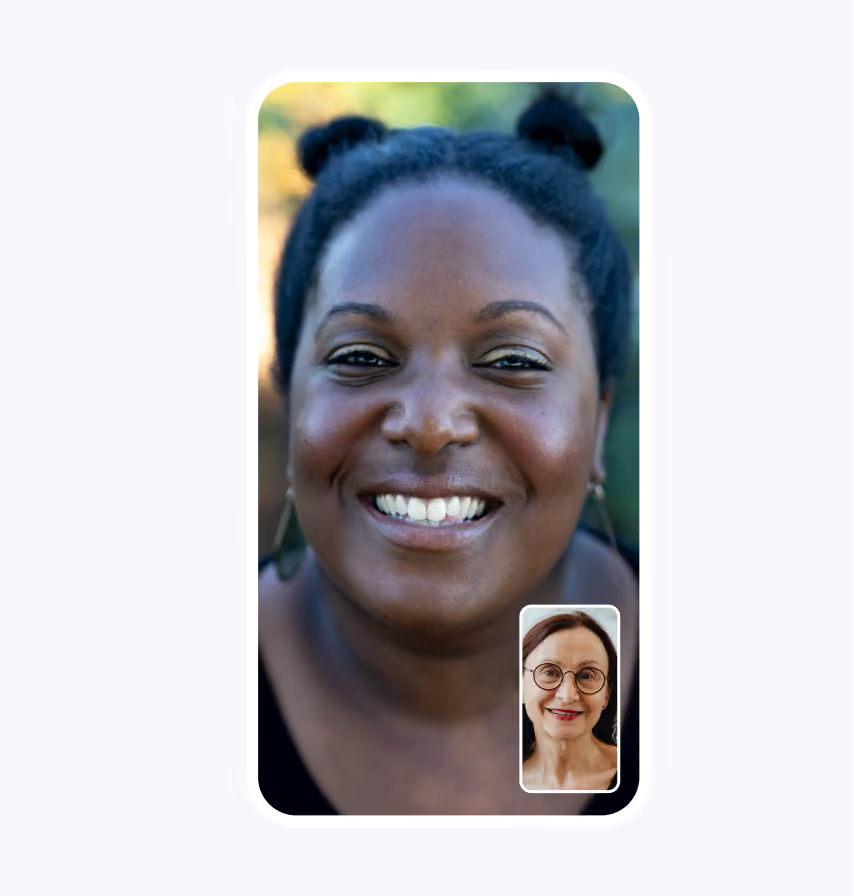
A real conversation from day one
Get up to 45 minutes for your clinician to understand what’s going on.
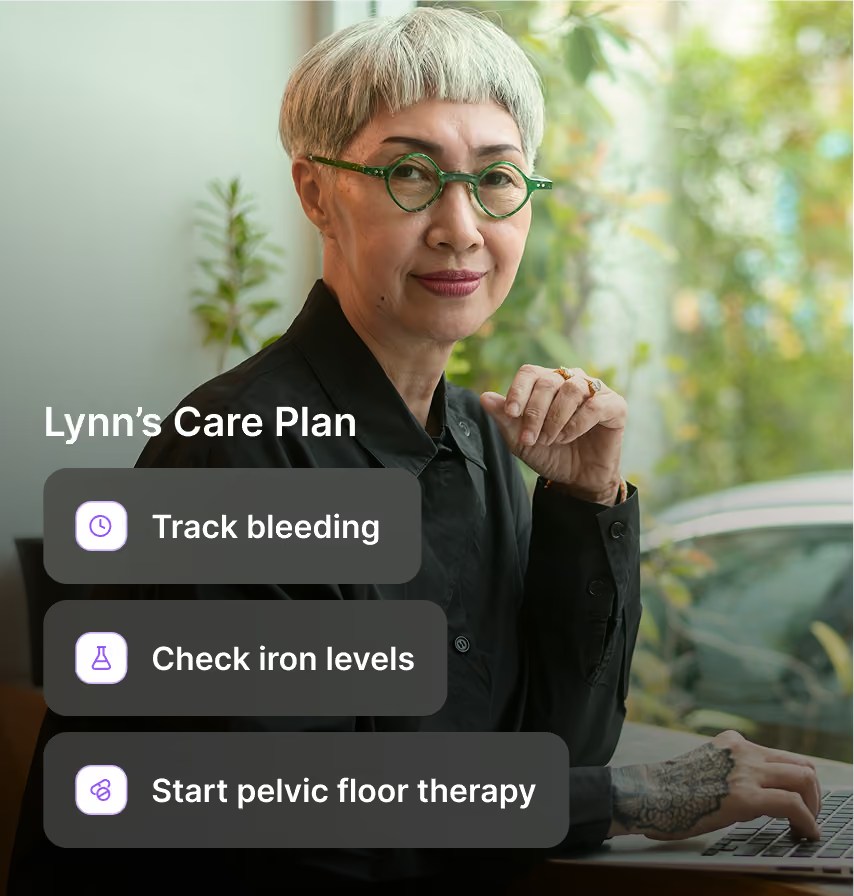
A plan built around you
Personalized care shaped by what we heard and found in your visit.
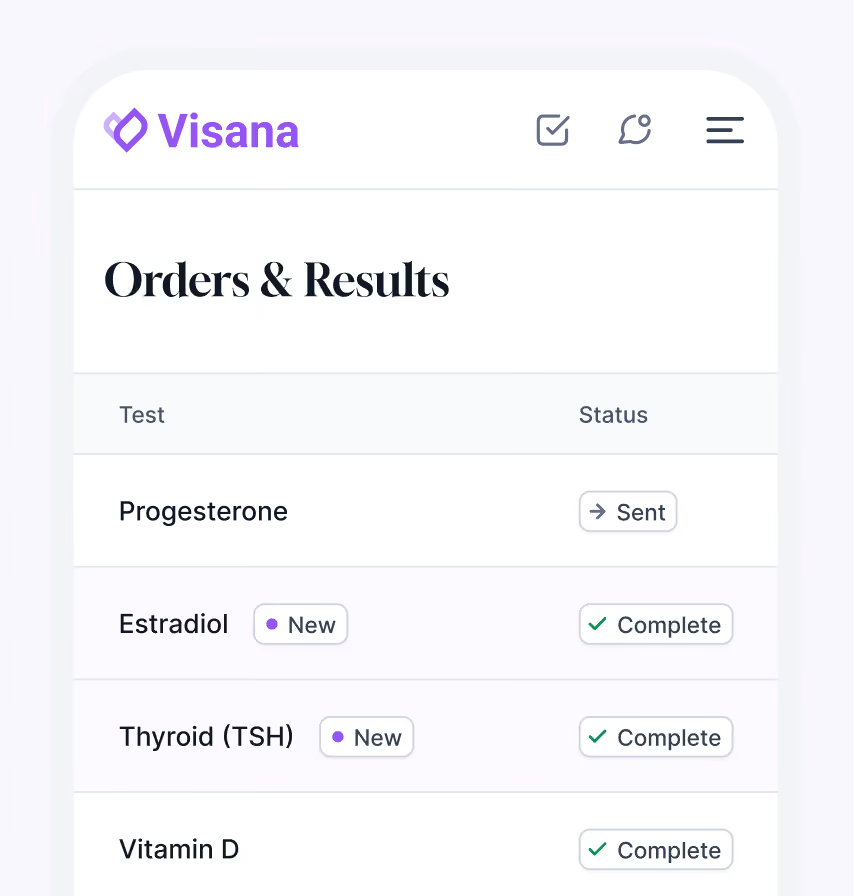
Finally, it makes sense
We help you understand which symptoms are tied to menopause and which need a closer look.
A menopause expert in your corner
Our providers are experts across menopause, gynecology, primary care, endocrinology, sexual health, and more.
Chief Medical Officer Dr. Barbara Levy, certified menopause practitioner and globally recognized women’s health expert, leads our clinical model.






Hear from our patients
Real stories from people who found the right clinician through Visana.

“The practitioner was kind and attentive - everything you want in a medical care provider, especially in something as sensitive as perimenopause and menopause care.”

“They truly understand the challenges we face during menopause. They not only help me manage the symptoms, but closely monitor overall health and well-being!”

“It's hard to find help with perimenopause symptoms, but Visana providers are caring and receptive. I have already recommended this service to my sisters!”


Images are representative and do not depict the patients quoted.
Frequently asked questions
Not everything that looks or feels like menopause actually is. Other conditions, such as thyroid disorders, iron deficiency, blood sugar fluctuations, depression, and anxiety, can cause similar physical and emotional symptoms, and it sometimes takes some detective work with your provider to tell them apart. You don't have to figure it out on your own. Bring us your questions, and we'll explore the answers together.
Yes. When clinically appropriate, Visana clinicians can prescribe hormone therapy. Your provider will review your symptoms, health history, risk factors, and preferences to determine whether hormone therapy is an appropriate option for you.
Yes, for most healthy women experiencing perimenopause or menopause symptoms, menopausal hormone therapy (MHT) is safe and effective.
Persistent safety concerns largely stem from misreported findings from the early 2000s Women’s Health Initiative study. Hormone therapy alone does not increase the risk of breast cancer. Consulting a specialized healthcare provider helps determine the safest approach, dosage, and delivery method for your body, and confirms whether you have any individual risk factors or family history to consider.
Yes. Hormone therapy is one option, not the only option. Depending on your needs, your clinician can discuss non-hormonal prescription medications, lifestyle interventions, and other evidence-based approaches to help manage your symptoms.
Visana Health does not broadly recommend supplements, as there is no regulation of the supplement industry, and the evidence behind popular "hormone-balancing" supplements is weak and inconsistent.
Some supplements can actually be extremely dangerous and unpredictable. There’s a big difference between vitamins and minerals like iron and vitamin D, and unregulated supplements like black cohosh. Yes, some supplements can help, especially those essential vitamins, but only when built on a foundation of good sleep, nutrition, movement, and stress management.